Zena guides
Train smarter,
backed by evidence.
Practical guidance on strength training and progress — grounded in research, not hype.
Strength training for women: a complete beginner's guide
New to lifting? Start here. This guide covers everything you need to get started strength training.
Read the article →
Reps or weight first? The double progression method, explained
A lift starts feeling easier and you freeze at the rack. Here's the double progression sequence for choosing another rep or more weight, step by step.
Read the article →
How to know when to increase your weights
Guessing when to add weight means you either stall too long or jump too soon. Here are the actual signs your body is ready — and the ones that just feel like they mean something.
Read the article →
WTF is RPE?
RPE sounds like something a physical therapist made up to sound smart. It's not. Here's what it actually means, the scale that makes it useful, and why your gut feeling about it is probably a little bit wrong.
Read the article →
How to know if your workout is actually working
Sore doesn't mean it worked, and one flat session doesn't mean it didn't. Here's what actually tells you your training is working — and how long to wait before you can trust the answer.
Read the article →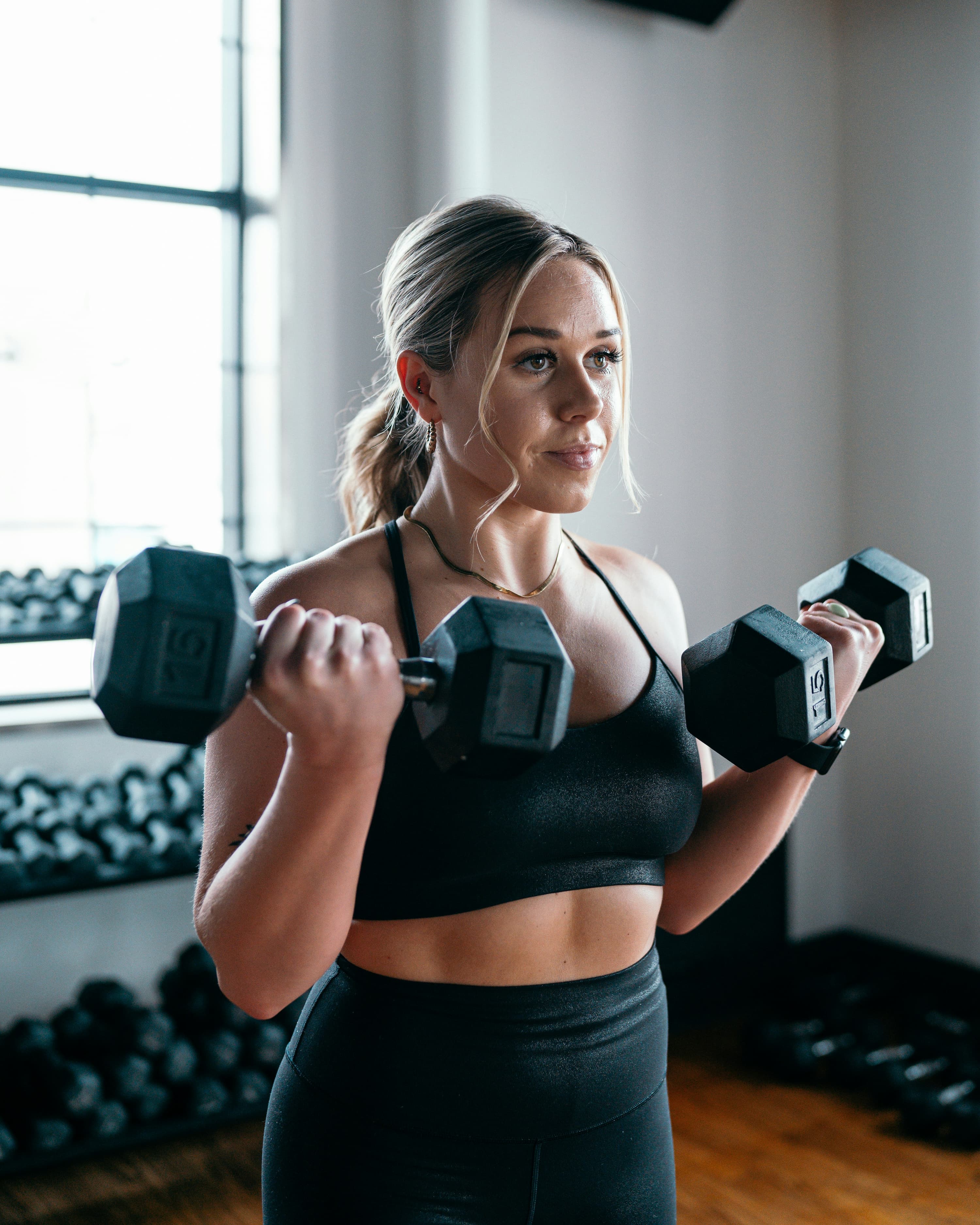
Getting back into strength training after time off
Your strength didn't vanish the way it feels like it did. Here's what actually happens to your body during time off, and how to restart without overdoing it or underdoing it.
Read the article →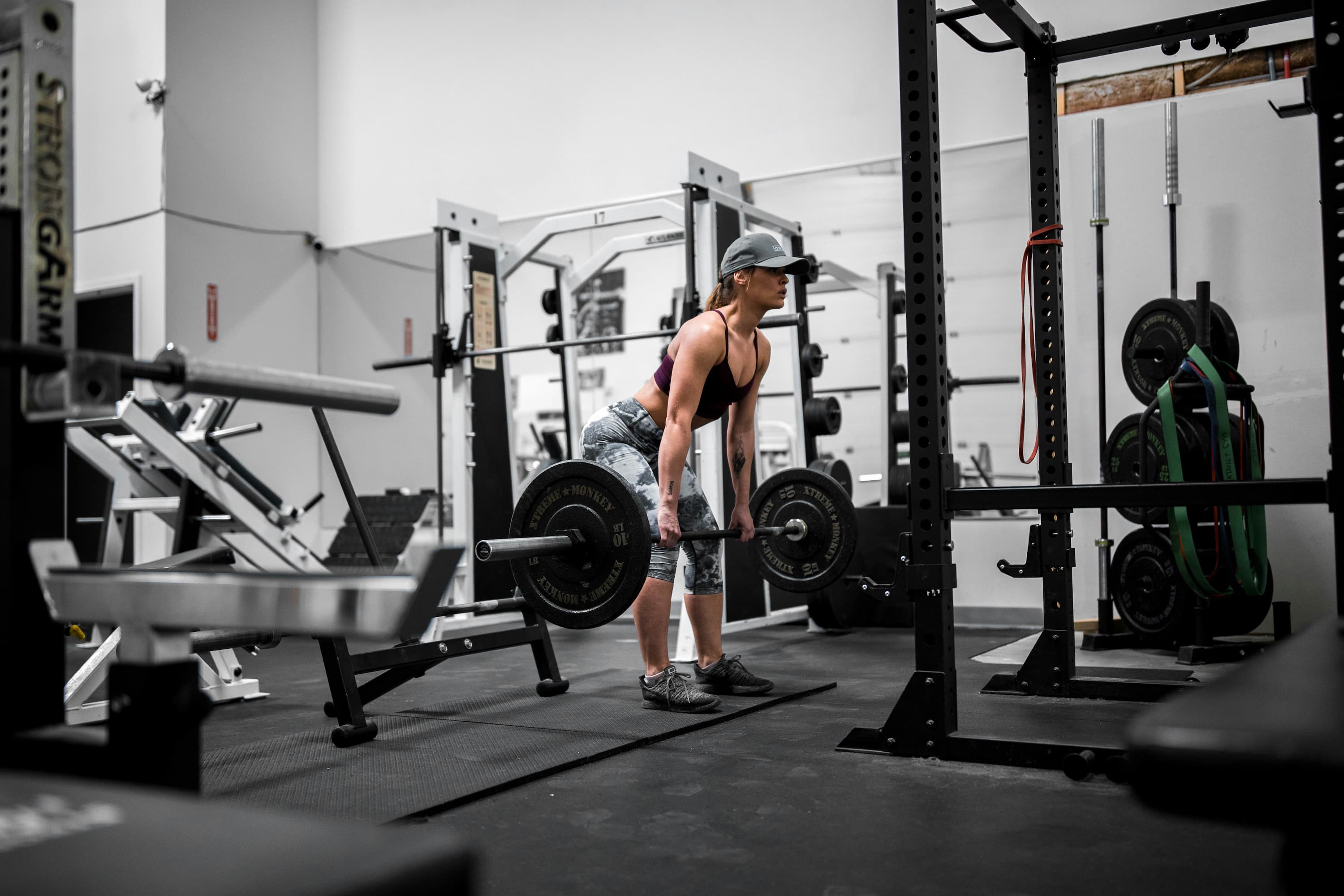
Signs you're overtraining (and what to do about it)
Overtraining isn't just 'training a lot.' It's a real, researched pattern with specific signs. Here's how to actually tell, and what to do once you know.
Read the article →
How much protein and carbs you actually need to get stronger
We're all tracking protein for gains — but carbs might be the bigger lever. Here's the actual science, and how your numbers shift between a PB block and a cut.
Read the article →
How to get better results from your ChatGPT workout plan
I built my first workout plan in ChatGPT. With mixed results. Here's what I'd do differently now (and how it also inspired me to build Zena).
Read the article →
Progressive overload: a step-by-step guide
Progressive overload is how strength actually happens. Here's what it means, how to apply it without guesswork, and how to tell if it's working.
Read the article →